Kyoto: The Architecture of Quietude
How moss gardens, cedar timbering, and dawn walks define an alternative tempo in the ancient imperial capital.
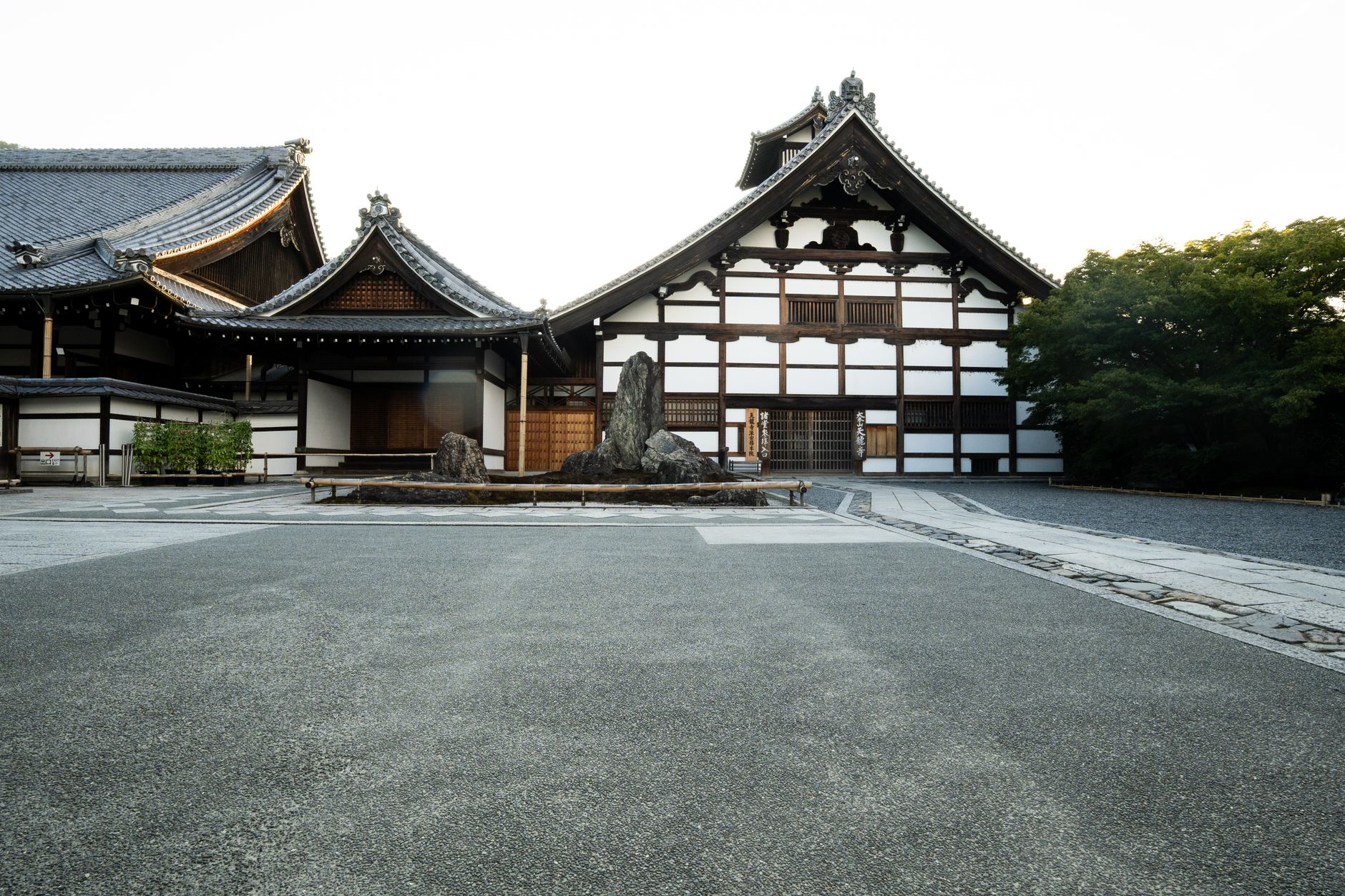
At six in the morning, the cobblestone alleys of northern Higashiyama have yet to register the presence of modern machinery. Rain in Kyoto does not arrive as an inconvenience; rather, it performs a subtle tonal shift, deepening the cedar slats from dusty tan to polished charcoal.
The Geometry of Stillness
Entering the sub-temple of Daitoku-ji requires shedding the frantic habit of appraisal. The raked gravel beds of the dry garden do not demand quick photography. Instead, the stone placements mimic islands resting within an intangible ocean, challenging the visitor to sit upon the wooden engawa veranda until the mind decelerates.
“Architecture in Kyoto is not about conquering outdoor elements, but mediating the transition between domestic warmth and outdoor wilderness.”
Every wooden joint in these compounds exists without a single nail. Master carpenters have calculated the micro-expansion of Japanese cypress over seasonal humidity shifts for over four centuries. Sitting here, one realizes that patience was once a foundational building material.
Navigating the City Without Rush
- Dawn Arrivals: Access the bamboo paths of Sagano at sunrise; by 08:30 the solitude gives way to tour coaches.
- Bicycle Corridors: Utilize the gravel tracks running alongside the Kamo River to move between districts unhurriedly.
- Tea Master Direct Access: Always book traditional tearoom visits through residential introductions or reputable cultural desks.
As darkness descends, paper lanterns flicker along the Shirakawa canal. The true traveler leaves Kyoto not with a catalog of conquered monuments, but with an altered internal compass.
Plan Your Journey with Our Curators
Let 111111 compile a private itinerary tailored to historic lodges and authentic artisans across Japan.
Consult With Editorial Desk